How to write a coach bio that helps people trust you
Coach bio examples and prompts for writing a human, specific About section without turning it into a resume or a sales pitch.
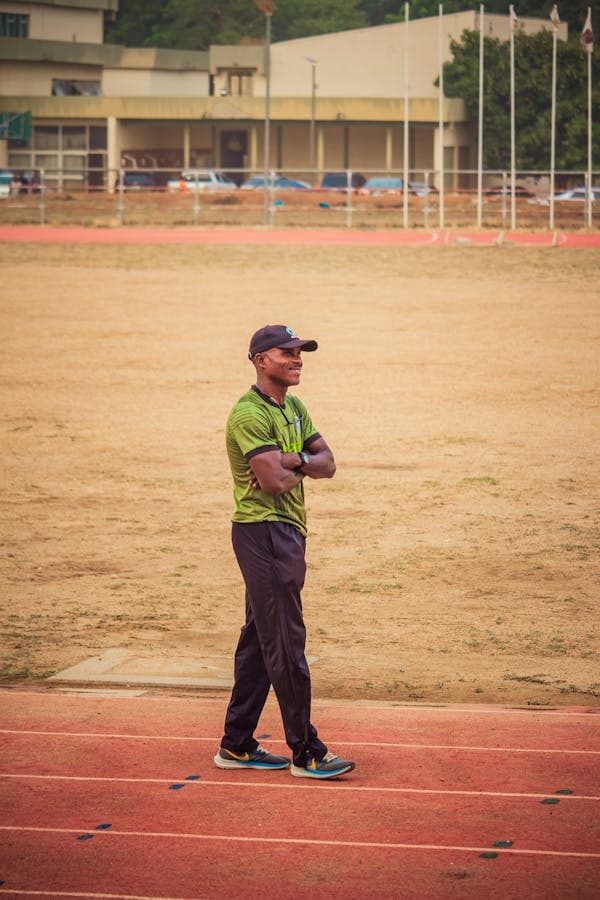
Daniel Hart
Strength coach for runners returning from injury.
Cert
Certified strength coach
Quote
Clear plan after every session
FAQ
Who it is for, what to expect
A good coach bio answers why you
A prospect reads the bio after they understand the offer. They are looking for fit, judgment, and evidence that the coach has helped people like them before.
The bio should sound like a person. It can include credentials, but it should not read like a certificate list copied into paragraph form.
The strongest coach bios connect experience to the way the coach works today. A qualification matters more when the visitor understands how it changes the coaching relationship.

Use a simple structure
- Who you help now.
- What shaped the way you coach.
- The kind of progress you focus on.
- Credentials or experience that support the work.
- A clear next step for the right prospect.
What to include in a coach bio
- Current audience: who the coach helps now.
- Coaching method: how the coach thinks, reviews progress, and gives feedback.
- Relevant background: credentials, lived experience, sport history, work history, or teaching experience.
- Proof: reviews, testimonials, results, events, partners, or client examples.
- Boundaries: who the service is not for, especially when medical, financial, legal, or clinical expertise would be needed.
- Next step: what a good-fit prospect should do after reading.
Bio prompts that work
- What problem do athletes usually bring to you?
- What did you learn the hard way?
- What do athletes say feels different about your coaching?
- What should a prospect know before the first call?
Fictional bio angle
Sofia Marin, beginner strength coach
I coach adults who want to build strength without feeling lost in a gym. My work focuses on simple progressions, clear technique feedback, and weekly routines people can repeat beside work and family.
- Audience: adults returning to training or starting strength work.
- Judgment: simple progressions and technique feedback.
- Proof to add nearby: certification, studio photo, and two client testimonials.
Short coach bio examples
Running coach
Marathon coaching for busy adults
I coach adult runners who want to prepare for races without turning training into a second job. My work focuses on realistic mileage, injury-aware progression, and weekly adjustments around family, work, and recovery.
- Good nearby proof: race experience, federation credential, runner testimonials.
- Good CTA: request a race-plan review or 12-week block.
Strength coach
Strength training for beginners
I help adults build confidence with strength training through simple progressions, technique feedback, and plans they can repeat outside the session. Most clients come to me after feeling lost in commercial gyms.
- Good nearby proof: certification, studio photo, beginner testimonial.
- Good CTA: request a first strength assessment.
Career coach
Coaching for new managers
I work with first-time managers who need practical support for one-to-ones, feedback, role clarity, and decision making. My coaching is built around short action cycles rather than abstract leadership theory.
- Good nearby proof: management background, client quote, framework example.
- Good CTA: request a discovery call about the first 90 days.
Vocal coach
Voice coaching for performers returning to practice
I coach singers and speakers who want to rebuild reliable practice habits after time away. Sessions focus on warm-up routines, performance confidence, and clear feedback without overloading the voice.
- Good nearby proof: performance background, student testimonial, studio photo.
- Good CTA: request a first voice session.
Longer About section example
A longer About section can work when the story explains the coach's judgment. Keep it focused on the reader's decision, not the coach's entire history.
Fictional example
Jonas De Smet, marathon and return-to-running coach
I coach runners who want a race plan that survives real life. Many of my athletes are returning after injury, a long break, or years of inconsistent training. My coaching starts with what your week can actually hold, then builds a plan around consistency, recovery, and specific race demands.
- Why it works: it names the audience and problem.
- What to add nearby: credentials, track photo, services, and testimonials.
- What to avoid: promising a personal best or injury-free outcome.
Keep claims grounded
Avoid guaranteed outcomes and vague superiority. Specificity is stronger: the type of athlete, the setting, the method, the credential, or the experience that shaped the practice.
How Coloseos helps
The build flow and Site editor keep the coach's answers, credentials, photos, and vocabulary together. Colos-AI drafts the About section from those facts; the coach edits, approves, and keeps the final voice.